

Understanding Military Surveillance Drones: Modern Defense Technology
Military surveillance drones revolutionize modern defense operations by providing real-time intelligence while keeping personnel safe from hostile environments. According to the Pentagon's 2024 budget allocation, drone surveillance programs received $4.7 billion in funding, highlighting their strategic importance in contemporary warfare.
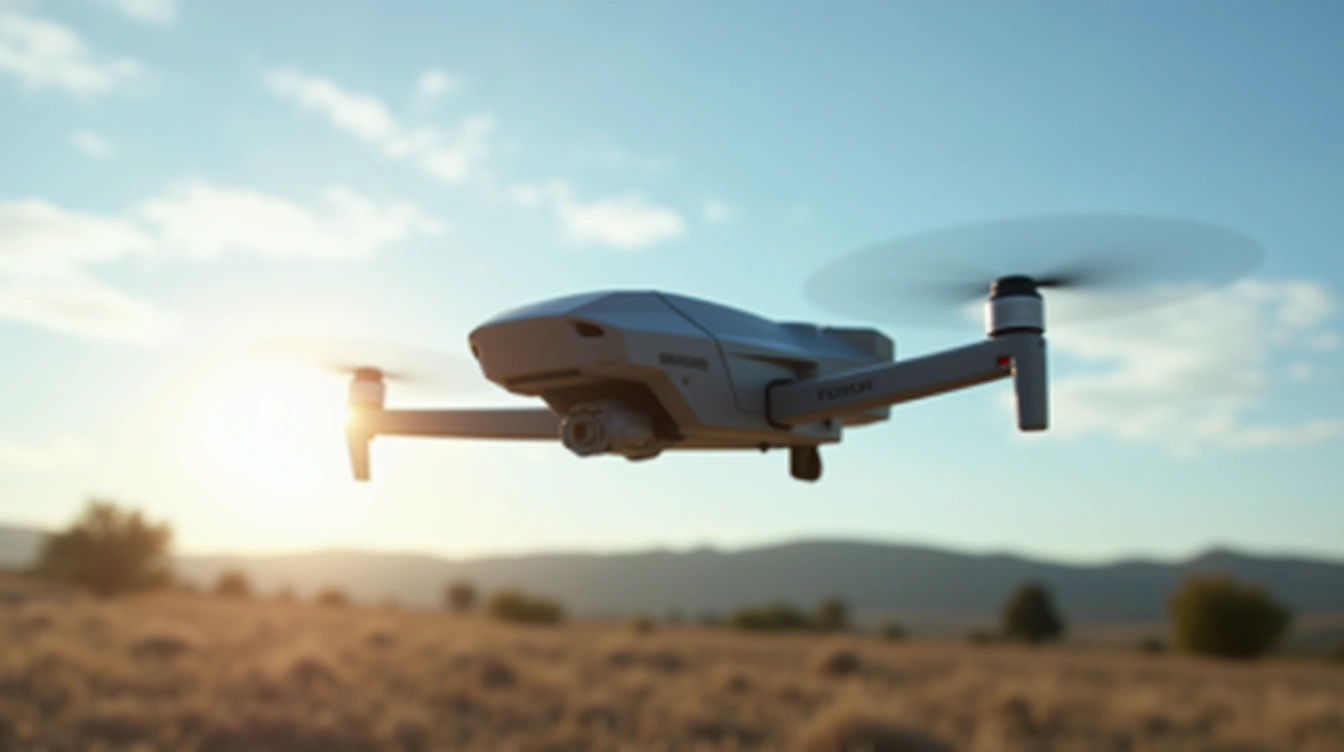
These sophisticated systems deliver unmatched reconnaissance capabilities, enabling forces to monitor vast territories continuously. A military surveillance drone can operate for extended periods, gathering critical data that informs tactical decisions and enhances mission success rates.
How will advancing AI integration transform these surveillance platforms into even more autonomous and intelligent defense assets?
Core Capabilities and Technical Specifications
Military surveillance drones represent sophisticated engineering achievements, combining advanced flight systems with cutting-edge reconnaissance technology. These platforms deliver real-time intelligence across vast operational areas while maintaining strategic distance from potential threats.
The technical specifications of modern military drones reflect decades of aerospace innovation. Key capabilities include:
- Extended range operations up to 1,000+ nautical miles with satellite communication links
- Flight endurance exceeding 24-30 hours for continuous surveillance missions
- Payload capacity ranging from 500 to 3,000+ pounds depending on platform size
- Multi-spectrum imaging systems including infrared, thermal, and high-definition optical sensors
- GPS-guided navigation with redundant positioning systems for precise flight control
- Weather resistance enabling operations in moderate rain, wind speeds up to 45 knots
- Encrypted data transmission ensuring secure intelligence relay to command centers
These technical capabilities transform how military forces conduct reconnaissance operations. Advanced sensor packages can identify targets at distances exceeding 10 kilometers, while automated flight systems reduce operator workload during extended missions.
Advanced Surveillance Equipment Integration
Modern military drones integrate sophisticated surveillance systems that transform raw intelligence gathering into actionable battlefield intelligence. These platforms combine multiple sensor technologies to create comprehensive situational awareness capabilities that extend far beyond traditional reconnaissance methods.
High-resolution cameras form the backbone of drone surveillance, delivering 4K and 8K imaging with advanced optical zoom capabilities reaching up to 40x magnification. These systems maintain crystal-clear image quality even at maximum operational altitudes, enabling operators to identify targets and assess threats with unprecedented precision. Coupled with infrared sensors, these cameras provide thermal imaging capabilities that reveal heat signatures through darkness, smoke, or adverse weather conditions.
Night vision technology has evolved beyond simple light amplification. Modern systems incorporate multi-spectral imaging that combines visible light, infrared, and thermal data into unified visual feeds. This integration allows operators to maintain continuous surveillance regardless of lighting conditions or environmental obstacles.
Communication equipment enables real-time data transmission through encrypted satellite links, ensuring secure information flow between drone operators and command centers. Miniaturized radar systems provide 360-degree detection capabilities, tracking multiple targets simultaneously while maintaining the drone's stealth profile.
Perhaps most significantly, onboard artificial intelligence systems analyze collected data in real-time, automatically identifying potential threats, tracking movement patterns, and flagging anomalies for operator attention. This computational power transforms surveillance drones from passive observation tools into active intelligence assets.
Strategic Impact on Modern Warfare Operations
Military surveillance drones have fundamentally transformed battlefield dynamics by providing commanders with unprecedented situational awareness. These systems enable continuous reconnaissance of hostile territories without exposing personnel to danger, allowing forces to gather critical intelligence before launching operations.
The ability to maintain persistent surveillance over sensitive zones has revolutionized tactical planning. Modern drone networks can monitor multiple locations simultaneously, providing real-time data streams that inform strategic decisions. This capability proves invaluable for tracking enemy movements, identifying supply routes, and assessing threat levels across vast operational areas.
Coordination between ground forces, air support, and naval units has reached new levels of tactical precision through drone-enabled communication systems. Advanced platforms serve as mobile command centers, relaying critical information between dispersed units and ensuring synchronized operations across complex battlefields.
Perhaps most significantly, these technologies have dramatically reduced human casualties by minimizing the need for dangerous reconnaissance missions. Military personnel can now assess situations remotely, make informed decisions based on comprehensive data, and execute operations with enhanced safety margins for both combatants and civilians in conflict zones.
Operational Range and Performance Metrics
Modern military surveillance drones demonstrate impressive operational capabilities that vary significantly based on their size, power systems, and mission requirements. High-altitude platforms like the MQ-9 Reaper can maintain flight operations for up to 14 hours continuously, covering distances exceeding 1,000 nautical miles from their base stations.
Cruising speeds typically range from 150 to 300 mph for medium-altitude long-endurance systems, while smaller tactical units operate at lower speeds around 60-100 mph to maximize loiter time over target areas. Operating altitudes span from ground-level reconnaissance missions up to 50,000 feet for strategic surveillance platforms, with most missions conducted between 15,000 and 30,000 feet for optimal sensor performance.
Environmental factors significantly impact these performance metrics in real-world conditions. Wind resistance, temperature extremes, and payload weight directly influence fuel consumption and flight duration. Battery-powered systems face additional limitations, with typical operational windows of 2-6 hours depending on mission intensity and power management strategies.
Mission endurance ultimately depends on the balance between range requirements, sensor payload demands, and operational safety margins that military planners must carefully calculate for each deployment scenario.
Ethical Considerations and Privacy Implications
Military surveillance drones operate in a complex ethical landscape where national security concerns intersect with fundamental privacy rights. These unmanned systems can collect vast amounts of personal data, raising critical questions about the boundaries of legitimate surveillance and the protection of civilian populations.
The international legal framework governing drone surveillance remains fragmented and evolving. While military operations must comply with international humanitarian law, the cross-border nature of modern surveillance creates jurisdictional challenges. Different nations apply varying standards for data collection, storage, and sharing, complicating efforts to establish universal ethical guidelines.
Transparency in drone missions presents a fundamental dilemma for military organizations. Operational security requirements often conflict with public accountability demands. Citizens deserve to understand how surveillance affects their communities, yet revealing too much information could compromise mission effectiveness and personnel safety.
The most pressing challenge lies in balancing collective security with individual freedoms. Military surveillance drones can prevent terrorist attacks and protect borders, but their persistent monitoring capabilities risk creating a surveillance state that undermines democratic values and civil liberties.
Frequently Asked Questions About Defense Surveillance Systems
What are the main capabilities of military surveillance drones?
Military surveillance drones offer real-time intelligence gathering, target tracking, reconnaissance missions, and communication relay functions. They provide persistent area monitoring with advanced sensors and can operate in hostile environments without risking human personnel.
How do military surveillance drones impact modern warfare?
These systems revolutionize battlefield awareness by enabling commanders to make informed decisions with real-time data. They reduce casualties, enhance precision targeting, and provide continuous surveillance capabilities that traditional methods cannot match.
What types of surveillance equipment do military drones carry?
Military drones typically carry high-resolution cameras, infrared sensors, radar systems, electronic warfare equipment, and communication interceptors. Advanced models include multi-spectral imaging, laser designators, and signals intelligence gathering capabilities for comprehensive surveillance operations.
How far can military surveillance drones fly and for how long?
Military surveillance drones can operate up to 14 hours continuously with ranges exceeding 1,000 kilometers. High-altitude long-endurance models like the Global Hawk can fly for over 30 hours covering vast geographical areas.
What are the privacy and ethical concerns surrounding military drone surveillance?
Key concerns include civilian privacy violations, potential for misuse in domestic surveillance, and collateral damage risks. International law compliance, data protection, and accountability in autonomous operations remain significant ethical challenges requiring careful oversight.